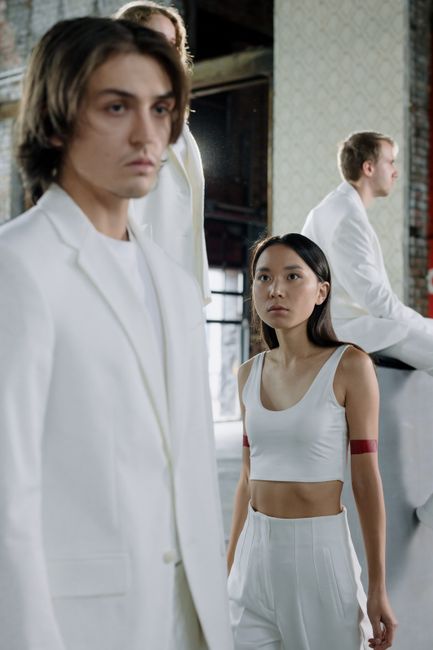


A belt is among the quickest ways to alter the shape of an outfit, yet it is also surprisingly easy to get wrong. Worn too wide, too slack or in the wrong place, it can divide the body rather than flatter it. The goal is not to invent a waist but to reveal the one you already have, using proportion, placement and restraint. Once the belt's purpose is clear, choosing and wearing it becomes far simpler. If leather jackets is on your mind, the points below should help.
A gentle bend to one side will reveal your natural waist, and the crease it creates is a good guide. Depending on your build it can lie higher or lower, but this point is typically the slimmest part of your torso. Belting here or a little higher tends to look cleaner than positioning the belt at the hips. Should you want a lower placement, use a narrow belt with softness so no harsh horizontal line crosses the widest part.
Steer clear of pulling the belt so tight that material gathers both above and beneath it. Allowing a little room keeps the line smooth and ensures the belt does not appear like a tourniquet. You should be able to sit without the belt digging in, and it should feel secure instead of restrictive.
How wide a belt is can alter its effect considerably. A narrow belt suits light fabrics and gives a delicate line, whereas a wider belt supports heavier materials and makes more of a statement. The belt ought not, as a rule, to exceed the distance from your lowest rib to your hip bone, since otherwise it becomes cumbersome.
A narrow belt works well with silk dresses, delicate knits and shirts that need merely a hint of structure. Since a busy outfit can make them appear fussy, keep the rest of the look plain. When a skinny belt echoes the garment's colour, the waistline becomes discreet instead of loud. Many readers also find custom leather jackets helpful here.
The most versatile option, a medium belt works with the majority of trousers, dresses and jackets. Wide belts suit structured garments — coats, blazers and thick dresses — because their fabric can support the weight. Very wide belts can swamp a short torso, so opt for a medium width instead.
Holding its shape, a stiff belt creates a clean, structured line. Over fluid fabrics, a soft belt is more forgiving and moulds to the body. For definition without rigidity, opt for a soft leather or a fabric belt designed to be tied instead of buckled.
Which belt you select matters, but so does where you position it. At the natural waist, a belt divides the upper and lower body and may give the illusion of longer legs. On dresses and skirts, a slightly higher placement can produce an empire-line effect. A lower position may lengthen the torso, though it can also give the waist a wider appearance.
With the same outfit, experiment with two different belt heights and assess the overall balance. When positioned well, the belt makes the look seem considered instead of squeezed. A belt that will not stay in place usually indicates that the fit or the material is working against you.
Though the material must drape well, belting a loose dress or long shirt is a familiar way to introduce shape. Stiff material will cause the belt to make folds that protrude instead of falling gently. A heavy coat calls for a wider belt fastened on the outside rather than underneath. For fine knits, tie a narrow belt loosely to keep the knit from stretching out of shape.
How you layer also matters. A belt over a single-breasted, reasonably slim blazer can look crisp. Leaving a belt under a cardigan undone is regularly better because it can create uneven lines. If unsure, place the belt on the outermost layer.
When the belt is a similar shade to the outfit, it merges with the look and defines the waist quietly. When the rest of the outfit is simple, a contrasting belt is helpful because it draws the eye to the waist. Your other accessories should be echoed by metallic hardware, though an exact match is not necessary.
Think about how large the buckle is. A little buckle preserves a neat line, whereas a sizeable buckle pulls the gaze and can overwhelm a petite frame. A slim buckle and a quiet finish will let the belt define the waist without drawing attention.
Since most belt issues stem from fit and proportion rather than body shape, check the following points before going out. No point here relates to having a certain body type.
The belt exists for style and minor adjustments, not to make up for a bad fit, since trousers ought to fit at the waist without one. Too much tension is indicated if the belt presses a deep fold into the fabric. A soft impression is sufficient.
When an outfit looks better without a belt, leave it off; use one to reveal your waist whenever you choose. A line that appears natural, comfortable and intentional is the ideal outcome. Keep the belt that gives you a little extra height in your posture, checking the mirror from several angles and making one change at a time. The same thinking applies well to leather jackets.

Sylhet Spice Table shares practical, down-to-earth guidance on bangladeshi and sylheti cuisine, recipes and dining for readers across the UK.


Leave A Comment